
|
|
|
|||||||||
 |
||||||||||
| ◄◄◄ | ||||||||||
| Cyprien
Ragueneau
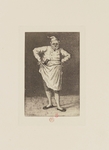
(–1654) Other names: François, de l'Estang (surname) Biographical A French pastry chef, poet, and comedian, Ragueneau, possibly from Lyon, ran a pastry shop on Rue Saint-Honoré near the Cardinal Palace in Paris from 1640 to 1650. It was said that Cyprien inherited both the successful business and the trade itself from his father, also a master pastry chef, and initially followed this path without objection. The establishment was renowned for its tarts (Ragueneau was credited with creating almond tartlets), marzipan, biscuits and fritters, but also seems to have functioned as a roast-meat shop and a tavern, popular with actors and struggling writers. Ragueneau often accepted payment in the form of poems and theatre tickets, and this eventually led to financial ruin. He was forced to close his business and was sent to prison, probably because he treated his landlord with the same lax credit practices that he extended to his customers. Ragueneau spent a year in prison. During that time, he devoted himself to poetry, a passion that had grown from his association with the literary crowd who frequented his shop. When he was released, he possessed little more than a collection of verses written in the style of Théophile de Viau. He tried unsuccessfully to persuade publishers to print them. The situation was especially difficult because Ragueneau had a wife and children to support. Placing them on a small donkey loaded with his manuscripts and satirical poems, he set out sadly for Languedoc. Along the way, he encountered a travelling theatre company, which turned out to be that of Molière, then touring southern France. He hoped his Don Olibrius, occiseur d’innocents that he had written would be produced by Molière, but his only services that were accepted were apparently as a stage servant. Although his speaking parts rarely exceeded four lines, he performed so poorly that within a year he had earned a reputation as the worst actor in the world. Unsure what to do with him, the company wanted to make him a candle-snuffer, responsible for trimming the stage candles between scenes. Ragueneau refused, considering such work beneath the dignity of a poet. He later joined another company, where he was finally seen carrying out the candle-snuffer's duties quite competently. After that, the historical record largely loses track of him. The reasons for Ragueneau's career change are unknown. Although other cooks also became actors, Ragueneau achieved little distinction on the stage and is remembered less for his acting than for his unusual transition from the culinary trade. After his death, it was discovered that he had composed over 400 sonnets, along with a number of tragedies, plays, odes and epithalamiums. The character Ragueneau in Cyrano de Bergerac is based on him. Place of death: Paris Place of burial: St-Nisier, Lyon Son of Jacques Ragueneau and Marguerite Daussy, he married Marie Brunet in 1638 and had issue: • Cyprien, ~1642 • Marie (see) |
||||||||||
| |
||||||||||
 |
||||||||||
| |
||||||||||
 |
||||||||||


