
|
|
|
|||||||||
 |
||||||||||
| Jusepe de Ribera 'Spagnoletto' (1591–1652) | ||||||||||
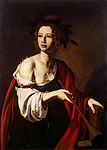
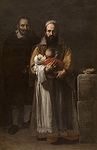
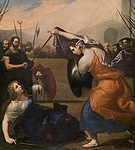
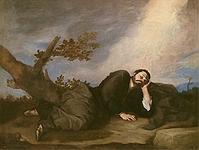
| Ribera, also known as Spagnoletto, was born in Xàtiva, near Valencia. Initially set for a scholarly career, he was drawn to painting under Francisco Ribalta. His progress led him to Italy, where, arriving penniless, he endured hardship until a cardinal recognised his talent and supported him in Rome. There, he studied Caravaggio’s dramatic use of chiaroscuro, becoming a dedicated follower. After a fallout with his patron, Ribera’s life took a turbulent turn, including military service and captivity in Algeria. He later studied in Parma, drawing from Correggio and other northern painters, but ultimately embraced Caravaggio’s stark realism, leading the Naturalisti against the polished eclecticism of the Carracci. Settling in Naples, he married the daughter of a wealthy art dealer, securing financial stability. With Spanish favour, he became court painter to the Duke of Osuna and was later supported by the Count of Monterey, gaining a recommendation to Philip IV of Spain. Ribera joined the Academy of St Luke in 1630 and received the Order of Christ in 1644. His later works, marked by intense chiaroscuro, physical brutality, and psychological depth, often depicted suffering and martyrdom. While powerful, they favoured raw immediacy over grace and ideal beauty. His popularity with religious institutions ensured a steady stream of commissions, though his use of colour darkened over time. Among his pupils were Salvator Rosa, Luca Giordano, and Aniello Falcone; his daughter, Maria Blanca, also painted and served as his model. Rumours that Ribera died of grief over her seduction by Don John of Austria remain unsubstantiated. He died in Naples in 1656. | ||||||||||
| |
||||||||||

 |
||||||||||
|
|
||||||||||
| |
||||||||||
  |
||||||||||


 Art
Art