
|
|
|
|||||||||
 |
||||||||||
| (2848) | ||||||||||
| Mirza
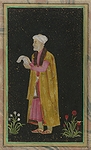
Ghiyas Beg Itimad ud-Daula (–1622) Other names: Ghiyas-ud-Din Muhammad Biographical Itimad ud-Daula 1605–22† Grand Vizier of the Mughal Empire 1611–22 Diwan of Kabul Originally from Tehran, Mirza Ghiyas Beg left his native country with his family in 1576 to escape poverty and travelled to the Mughal court at Fatehpur Sikri. He entered the emperor’s service and began to receive various important appointments, rising in prominence and becoming Itimad ud-Daula. In 1607, he and his son Muhammad Sharif were implicated in a plot led by a faction supporting the emperor’s son Khusrau to assassinate Jahangir. He faced execution along with the conspirators, but was spared, fined, and imprisoned. For a time, his position at the court of Jahangir was weakened, and he seems to have been kept under restraint or at least under political suspicion. His fortunes, however, were transformed when Jahangir married his daughter Nur Jahan in 1611, elevating the family’s standing. He was appointed Grand Vizier that year, becoming one of the most powerful figures in the empire. His family came to dominate imperial politics for much of Jahangir’s reign. After Itimad ud-Daula's death, Nur Jahan commissioned his tomb at Agra, one of the most important early Mughal monuments. Place of death: near Kangra Place of burial: Agra Son of Khwajah Muhammad Sharif and a daughter of Aqa Mulla Dawatdar Qazwini, he married Asmat Begum, and had issue: • Muhammad Sharif (see) • Abdul Hasan (see) • Ibrahim Khan (see) • Mirza Shapur (see) • a daughter who married Sadiq Khan • Mihrunnisa, Nur Jahan (see) • Manija Begum, married to Qa sim Khan Juwaini with issue • Khadija Begum, married to Hakim Beg with issue |
||||||||||
| |
||||||||||
 |
||||||||||
| |
||||||||||
 |
||||||||||


