
|
|
|
|||||||||
 |
||||||||||
| Pieter Christoffel Wonder (1780–1852) | ||||||||||
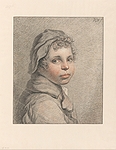
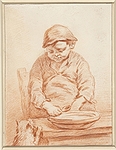
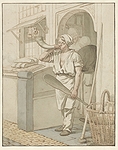
| Wonder was born in Utrecht and was active in his native city, Düsseldorf, and London. Since he was expected to take over his father's business in tanning and preparing chamois leather, his early education was limited. Later, however, he committed himself fully to art, studying both nature and the works of great masters. In 1802, Wonder visited the famous gallery in Düsseldorf, where he copied paintings by old masters. He was largely self-taught, although he received drawing lessons from Theodorus de Reuver, and between 1802 and 1804 he studied at the academy in Düsseldorf. When he returned to Utrecht in 1804, he painted many portraits and family scenes, both on a small and a larger scale. In 1807, Wonder established the Painting and Drawing Society Kunstliefde in Utrecht together with other artists, and was its first director. In 1817, he won a gold medal from the Drawing Department of the Amsterdam Society Felix Meritis for his painting Musical Gathering. He lived in London from 1824 to 1832. There, he produced major works and painted many members of the English aristocracy, as well as group scenes in the style of the Dutch painter Gerard ter Borch. After returning to the Netherlands in 1832, Wonder continued to exhibit his work, contribute to private collections, and train several students. He became a member of the Royal Academy of Fine Arts in Amsterdam and died in that city. | ||||||||||
. |
||||||||||
| |
||||||||||


 |
||||||||||
|
|
||||||||||
| |
||||||||||
  |
||||||||||


 Art
Art