|
|
|
|||||||||
 |
||||||||||
| Balthasar Friedrich Leizel (c. 1727–1812) | ||||||||||
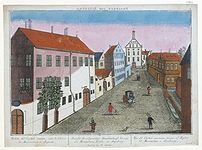
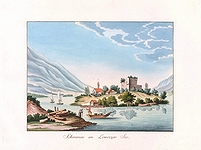
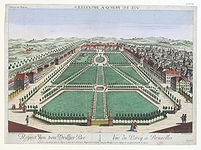
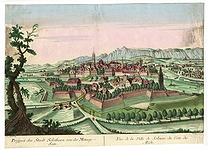
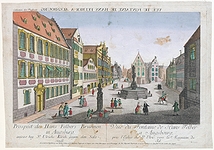
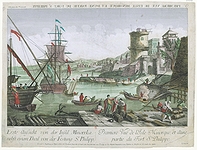
| Leizel, also known as Leitzelt, was a German engraver, coppersmith, and printmaker, active mainly in Augsburg and Utrecht from around 1750. A prolific artist, his body of work includes numerous engravings of European and American cityscapes, landscapes, scenic views, maps, and depictions of both peaceful and wartime events across the globe. He is perhaps best known for his vue d'optique prints, which featured scenes in bright, naive colours and were highly sought after. These prints were designed for viewing through a zograscope, a device that made the images appear three-dimensional by reversing them through its mirror. The titles of the prints were printed backward for the same reason. Lacking sufficient reference materials for American cities, Leizelt based his works on pre-existing views of European cities, occasionally using carbon copies of other works, altering certain features to fit his compositions. While this practice was not unusual for the time, the results, though visually appealing, bore little resemblance to the actual American cities they aimed to depict. The architecture, in particular, was largely fictitious, but this went largely unnoticed as most of Leizelt's audience had never been to America. The prints, intended for entertainment rather than accuracy, proved to be immensely popular. Details of Leizelt's personal life remain scarce, and his exact dates of birth and death are not definitively known. | ||||||||||
| |
||||||||||
|
|
||||||||||
| |
||||||||||
  |
||||||||||


 Art
Art