
|
|
|
|||||||||
 |
||||||||||
| Walker Evans (1903–1975) | ||||||||||
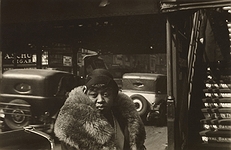
| An American photographer and photojournalist, Evans was born in St. Louis, Missouri, and attended Phillips Academy in Andover, Massachusetts, before graduating from Williams College in Williamstown, Massachusetts, in 1924. After college, he moved to New York City, working as a freelance writer and photographer. His first published photographs appeared in the literary magazine The Bookman in 1926. Evans later worked as a research assistant at the New York Public Library while continuing to freelance. His first major photographic project was an assignment for Fortune magazine with writer James Agee, documenting sharecroppers in Hale County, Alabama. This resulted in the 1941 book Let Us Now Praise Famous Men, which combined Agee’s text with Evans’s photographs. In 1938, Evans began working for the Farm Security Administration, a government agency created to combat rural poverty, producing thousands of now-iconic images of struggling Americans. His photographs of the rural South were widely published and played a role in promoting New Deal programs during the 1930s and 1940s. In 1965, Evans was appointed professor of photography at the Yale University School of Art, where he continued to teach and lecture until his death in 1975. His photographs of sharecroppers and New York City subway riders remain among the most iconic images of the 20th century. | ||||||||||
| |
||||||||||

 |
||||||||||
|
|
||||||||||
| |
||||||||||
  |
||||||||||


