|
|
|
|||||||||
 |
||||||||||
| Hieronymus Bosch (1450–1516) | ||||||||||
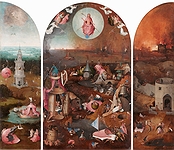
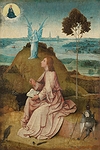
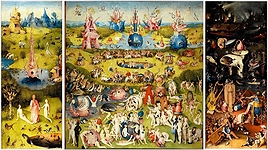
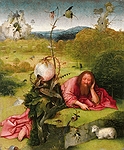
| A history and genre painter of the Flemish school, Hieronymus Bosch was likely born in ’s-Hertogenbosch, now in the Netherlands, and may have trained under his father or grandfather, both of whom were painters. Though sometimes claimed to be a pupil of Albert Ouwater, Bosch’s distinctive style bears little trace of any clear influence. He treated religious themes with extraordinary imagination, combining grotesque, dreamlike imagery with a sharply satirical vision of human folly and sin. His paintings—filled with macabre devils, surreal monsters, and strange hybrid creatures—explore moral and spiritual conflict, often through fantastical allegory. Bosch was deeply original in both concept and technique, and his work is noted for its brilliant use of colour and detailed execution. Often described as a forerunner to Bruegel the Elder (whose art drew heavily on Bosch’s), he has been seen as a satirist far ahead of his time. His influence extended widely, particularly to Lucas Cranach and later to Surrealists centuries on. Bosch’s work found strong favour in Spain, especially with Philip II, who acquired many of his paintings and brought them to the Escorial. Though details of his life remain sparse, Bosch is considered one of the most inventive artists of the 15th century and among the earliest to use oil paint with notable effect. He is believed to have died in ’s-Hertogenbosch. | ||||||||||
. |
||||||||||
| |
||||||||||
| |
||||||||||
  |
||||||||||


 Art
Art