
|
|
|
|||||||||
 |
||||||||||
| (M8.2) | ||||||||||
| Buddha
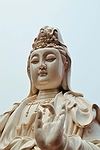
(c. 568 BC–c. 488 BC ) Other names: Siddhartha Gautama, Sakya Muni Biographical The founder of Buddhism, Siddhartha was the son of the raja of the Sakya tribe ruling at Kapilavastu, 100 miles north of Benares. His personal name was Siddhartha, but he was also known by his family name of Gautama, and by many other epithets. Siddhartha was raised in a sheltered environment, protecting him from the realities of suffering and death. His life changed dramatically at the age of 29 when he ventured beyond the palace walls. Confronted with the harsh realities of old age, sickness, and death, he was deeply moved by the suffering he witnessed. This experience sparked a profound spiritual quest for enlightenment, leading him to abandon his wife and his life of luxury, and embark on a six-year period of rigorous asceticism. Seeking liberation from suffering through extreme self-denial, Siddhartha practised severe austerities, denying himself food, sleep, and comfort. However, he came to realise that the path of self-mortification was not the answer to human suffering. Instead, he sought a middle way between self-indulgence and self-denial. Seated beneath a bodhi tree in Bodh Gaya, India, Siddhartha entered a deep state of meditation, determined to penetrate the nature of suffering and find a path to its cessation. He confronted the temptations of Mara, the personification of evil, and remained steadfast in his resolve. After a night of profound introspection, Siddhartha attained enlightenment and became the Buddha, 'the awakened one. This momentous event marked the beginning of his 45-year ministry, during which he travelled throughout India, sharing his insights and teaching the path to enlightenment. The Buddha's teachings emphasised the Four Noble Truths, which describe the nature of suffering, its causes, its cessation, and the path to its cessation. He also outlined the Noble Eightfold Path, a practical guide to living a Buddhist life, encompassing ethical conduct, mental discipline, and wisdom. His teachings resonated deeply with many, and he attracted a devoted following of disciples, including monks, nuns, and lay people. His teachings spread throughout India, eventually giving rise to Buddhism, one of the world's major religions. Buddha died at the age of eighty, reportedly due to food poisoning. Place of birth: Lumbini, Nepal Place of death: Kasia, India Son and Raja Shuddhodana and Maha Maya. |
||||||||||
| |
||||||||||



 |
||||||||||
| |
||||||||||
 |
||||||||||
|
||||||||||


