

Amazon
Ads |



(3603.1)
Michiel
Adriaenszoon de Ruyter
(1607–76)
Biographical
Duque de Ruyter 1676 (Spain)
Knight of the Order of St Michel 1666 (France)
Danish nobility
Spanish nobility 1676
Gold-Hilted Sabre of the Admiralty of Amsterdam [Netherlands}
Gold chain of the Admiralty of Amsterdam 1656 [Netherlands]
Lieutenant admiral of Holland 1665
Commander-in-chief 1665
Vice admiral of the Amsterdam Admiralty 1653
Rear admiral 1640–42
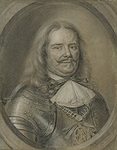
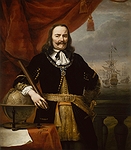
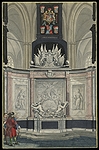
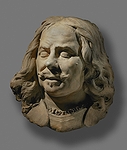
Ruyter was in service at sea from the age of nine. He assumed the surname of Ruyter in 1633, taken from his maternal grandfather's nickname who was a 'ruiter' (cavalryman) in the army. Between 1633 and 1635, he was serving in whalers, and in 1637, he was the captain of a privateer. Rising through the ranks to become a helmsman and skipper, while also serving as a gunner in the army of the Lords States. After being wounded and escaping Spanish captivity, he sailed in the merchant navy for the Lampsens brothers, commanded a Zeeland privateer against the Dunkirkers in 1637, and later captained merchant ships to Brazil. In 1641, he became rear admiral under Arnold Gijsels in an expedition to Portugal but returned to merchant shipping until 1651. Entering military service in 1652, he fought the English under Ascue and later under Tromp, commanding squadrons in key naval battles, earning the States' recognition. Appointed vice-admiral of Holland in 1653, he preferred to remain on land but was drawn back to sea, freeing Christian slaves in the Mediterranean, capturing French privateers, and supporting the Danish king in the Baltic, where he was honoured with Danish nobility. He fought piracy, recaptured settlements from the English in Guinea, and, upon learning of war with England in 1665, was promoted to lieutenant-admiral. Commanding the Dutch fleet, he fought in the four-day battle of 1666, led the famous retreat that caused tensions with Cornelis Tromp, and masterminded the successful Chatham raid in 1667, after which peace followed. After three years ashore, he returned to sea in 1671, battling the Anglo-French fleet at Solebay in 1672, defending the Dutch coast, and countering unrest in Amsterdam. Promoted to lieutenant-admiral-general in 1673, he defeated the English and French at Schooneveld and Kijkduin, securing the Dutch Republic's safety. After peace with England in 1674, he attacked the French in the West Indies before joining the Spanish fleet against France in the Mediterranean, where he was mortally wounded near Sicily on his flagship Eendragt in the harbour of Syracuse. Posthumously named a duke by the Spanish king, he was buried with great honours and a mausoleum was erected in his honour.
Place of birth: Flushing, Zealand
Place of death: Syracuse, Sicily
Place of burial: Nieuwe Kerk, Amsterdam
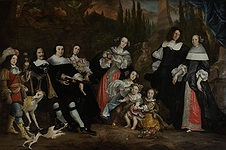
Son of Adriaen Michielsen de Ruyter and Aaltje Jans, he was married firstly to Marie Volters (†1631) in 1631, secondly to Neeltje Engels (†1650) in 1636, and thirdly to Annetie van Gelder. He had issue by all three wives.
(1607–76)
Biographical
Duque de Ruyter 1676 (Spain)
Knight of the Order of St Michel 1666 (France)
Danish nobility
Spanish nobility 1676
Gold-Hilted Sabre of the Admiralty of Amsterdam [Netherlands}
Gold chain of the Admiralty of Amsterdam 1656 [Netherlands]
Lieutenant admiral of Holland 1665
Commander-in-chief 1665
Vice admiral of the Amsterdam Admiralty 1653
Rear admiral 1640–42
Ruyter was in service at sea from the age of nine. He assumed the surname of Ruyter in 1633, taken from his maternal grandfather's nickname who was a 'ruiter' (cavalryman) in the army. Between 1633 and 1635, he was serving in whalers, and in 1637, he was the captain of a privateer. Rising through the ranks to become a helmsman and skipper, while also serving as a gunner in the army of the Lords States. After being wounded and escaping Spanish captivity, he sailed in the merchant navy for the Lampsens brothers, commanded a Zeeland privateer against the Dunkirkers in 1637, and later captained merchant ships to Brazil. In 1641, he became rear admiral under Arnold Gijsels in an expedition to Portugal but returned to merchant shipping until 1651. Entering military service in 1652, he fought the English under Ascue and later under Tromp, commanding squadrons in key naval battles, earning the States' recognition. Appointed vice-admiral of Holland in 1653, he preferred to remain on land but was drawn back to sea, freeing Christian slaves in the Mediterranean, capturing French privateers, and supporting the Danish king in the Baltic, where he was honoured with Danish nobility. He fought piracy, recaptured settlements from the English in Guinea, and, upon learning of war with England in 1665, was promoted to lieutenant-admiral. Commanding the Dutch fleet, he fought in the four-day battle of 1666, led the famous retreat that caused tensions with Cornelis Tromp, and masterminded the successful Chatham raid in 1667, after which peace followed. After three years ashore, he returned to sea in 1671, battling the Anglo-French fleet at Solebay in 1672, defending the Dutch coast, and countering unrest in Amsterdam. Promoted to lieutenant-admiral-general in 1673, he defeated the English and French at Schooneveld and Kijkduin, securing the Dutch Republic's safety. After peace with England in 1674, he attacked the French in the West Indies before joining the Spanish fleet against France in the Mediterranean, where he was mortally wounded near Sicily on his flagship Eendragt in the harbour of Syracuse. Posthumously named a duke by the Spanish king, he was buried with great honours and a mausoleum was erected in his honour.
Place of birth: Flushing, Zealand
Place of death: Syracuse, Sicily
Place of burial: Nieuwe Kerk, Amsterdam
Son of Adriaen Michielsen de Ruyter and Aaltje Jans, he was married firstly to Marie Volters (†1631) in 1631, secondly to Neeltje Engels (†1650) in 1636, and thirdly to Annetie van Gelder. He had issue by all three wives.


Families | Lands | Abbreviations and Symbols

