
|
|
|
|||||||||
 |
||||||||||
| (12) | ||||||||||
|
Manuel de
Toledo Lesparre
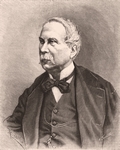
12th Duque de Pastrana (1805–86) Biographical 12th Duque del Pastrana, Grandee of Spain 1856–86† 13th Duca di Francavilla 14th Marqués del Cenete, Grandee of Spain 1882–86† 15th Conde de Villada 1882–86† Principe di Eboli Barone di La Roca Barone di Carida Barone di Monte Santo Cross of Royal and Military Order of San Fernando, 1st class 1837 Cavalry Colonel Field marshal 1841 Colonel Leutenant colonel Manuel served in Ferdinand VII’s army, but during the Carlist War, he sided with the Carlists and fled Madrid in 1834, disguised as a coachman. After a brief stay in Paris with Urbiztondo and Carlos O’Donnell, he went to England, where the Princess of Beira sent him to Holland to buy weapons. However, the ship sank on the return voyage, losing all supplies. In early 1835, Manuel joined a Carlist expedition but was captured and imprisoned in Spain. In 1836, he was sent to Puerto Rico, where he escaped with the help of a wealthy landowner. After a difficult journey, he reached Carlist territory in September. Serving as assistant lieutenant colonel to Infante Sebastián, he distinguished himself in battle, earning the Cross of San Fernando and a promotion to colonel. He was later sent on secret missions across Europe and defended Brigadier Cabañas in 1838. Maroto added Manuel to his General Staff, and he participated in the Battle of Guardamino before being wounded at Ramales. In 1839, he declined a diplomatic role in England, witnessed the Vergara Convention negotiations, and went into exile, returning to Spain in 1840. After inheriting numerous properties and titles from his father following a legal dispute, he built a significant art collection of nearly 300 paintings and organised a money market in his palace at Leganitos. He owned two palaces in Chamartín, which he later donated: one in 1859 to the Mothers of the Sacred Heart for a school, and the other in 1879 to the Jesuits for the same purpose. In 1802, Manuel had been elected honorary academic of the Real Academia de la Historia, and honorary member of the Real Academia de Matemáticas y Nobles Artes de la Concepción de Valladolid in 1803. He was legitimised in 1825. Place of birth: Guadalajara Place of marriage: Brussels Place of death: Pau, France Illegitimate son of Pedro Álvarez de Toledo and Manuela Lesparre, he married María Dionisia de Vives y Zires in 1874, and had no issue. |
||||||||||
 |
||||||||||
| |
||||||||||
 |
||||||||||
|
||||||||||


