|
|
|
|||||||||
 |
||||||||||
| Vincent van Gogh (1853–1890) | ||||||||||
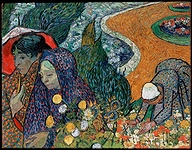
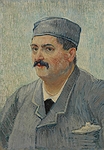
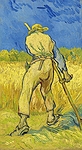
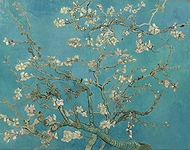
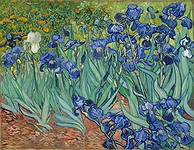
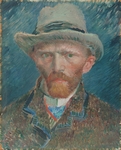
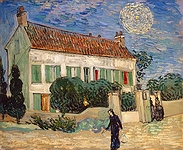
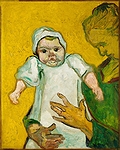
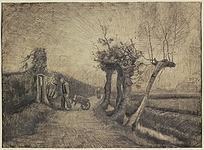
| Born in the village of Zundert in the Netherlands, Van Gogh was a Dutch Post-Impressionist painter whose bold use of colour, emotional intensity, and expressive brushwork left a lasting mark on modern art. Though largely self-taught, he initially pursued religious studies and worked briefly as an art dealer before dedicating himself to painting in his late twenties. He studied art formally for short periods in Brussels and Antwerp, but it was through relentless personal experimentation and his close correspondence with his brother Theo that he refined his distinctive style. Van Gogh’s artistic journey took him across Europe: from early work in Dutch cities such as The Hague, Nuenen, and Amsterdam, to a formative period in Belgium’s Borinage region and Brussels. In 1886, he moved to Paris, where exposure to Impressionism and Neo-Impressionism broadened his influences, which also included Dutch genre painting and Japanese prints. Seeking light and colour, he later settled in Arles in the south of France, followed by a period in an asylum at Saint-Rémy-de-Provence. His final months were spent in Auvers-sur-Oise near Paris, where he died. | ||||||||||
| |
||||||||||
|
|
||||||||||
| |
||||||||||
  |
||||||||||


 Art
Art