
|
|
|
|||||||||
 |
||||||||||
| Hans Holbein the Younger (1497–1543) | ||||||||||
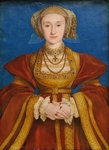
| Hans Holbein the Younger, a German painter born in Augsburg, was the son of the renowned Hans Holbein the Elder. He learned from his father and was influenced by Burgkmair. One of his early notable works was an altarpiece for the monastery of St Catharine, completed in 1515–16. Around 1516, he worked in Basel before settling there in 1520, although he spent time painting in Zurich and Lucerne in between. While in Basel, he mainly focused on designs for wood engravings. In late 1526, he travelled to England, where Erasmus introduced him to Sir Thomas More, leading to a famous series of portraits of prominent English figures. Many studies for these survive in the royal collection at Windsor. He returned to Basel in 1529, where he resumed work on council hall paintings, which are now lost. Likely in 1532, Holbein returned to London, painting portraits for German merchants of the Hanseatic League. In 1536, he became the court painter to Henry VIII. Two years later, he travelled to the Netherlands on a commission. Holbein died of the plague in London between October 7 and November 29. A master of portraiture, he was known for focusing more on the sitter’s face than on their clothing or accessories. See also Hans Holbein II. | ||||||||||
. |
||||||||||
| |
||||||||||


 |
||||||||||
| |
||||||||||
  |
||||||||||


 Art
Art