
|
|
|
|||||||||
 |
||||||||||
| Hans Hoffmann (c. 1530–1592) | ||||||||||
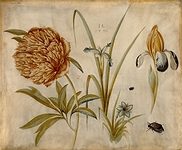
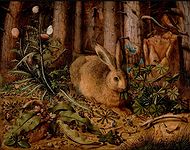
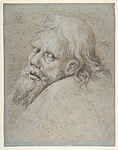
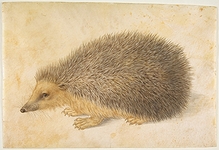
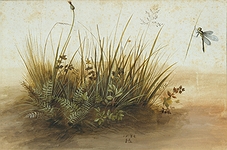
| Hoffmann, a German painter and draughtsman born in Nuremberg, was active from 1548 until his death, working both in his hometown and in Prague. He began his training in a Nuremberg artist’s workshop and, by 1584, entered the service of the Duke of Bavaria in Munich. The next year, he became the court painter to Emperor Rudolph II in Prague. Hoffmann played a significant role in developing the Emperor's art collection, acquiring many works by Albrecht Dürer. He worked mainly in watercolour and gouache, and was a proficient imitator of Dürer, closely mirroring his techniques, use of colour, and primed paper, even replicating Dürer’s monograms and dates. Many of his pieces were so closely aligned with Dürer’s style that they were mistaken for Dürer’s own works, with some not identified as Hoffmann’s until the 20th century. He also copied Italian paintings and was known for his portraits, including one of Hans Sachs, as well as his detailed studies of animals, insects, and flowers. His portraiture style shows Dutch influences, possibly from a trip to the Netherlands or the availability of Dutch art in Nuremberg. Hoffmann’s style is associated with the mannerist movement of the late 16th century. He died in Prague. | ||||||||||
| |
||||||||||
    |
||||||||||
|
|
||||||||||
| |
||||||||||
  |
||||||||||


 Art
Art