
|
|
|
|||||||||
 |
||||||||||
| Théodore Géricault (1791–1824) | ||||||||||
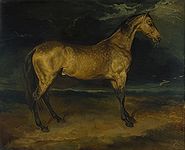
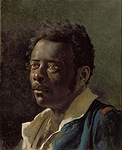
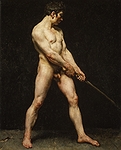
| Géricault, a French animal and historical painter, was born in Rouen. He came from a well-off family, with his father being an advocate, and he moved to Paris to finish his education at the Lycée Impérial. Even as a student, his interests were clear. In 1808, he briefly studied under Carle Vernet before continuing his training with Guérin, whose academic style didn’t quite suit him. Géricault’s real artistic development came from studying the old masters at the Louvre, with Rubens’ work having a significant impact on him. His family was against him pursuing painting, and frustrated by their opposition, he turned to other activities, joining the Jockey Club and living a carefree lifestyle typical of the jeunesse dorée. By 1812, he had his own studio, where he created his first major work, Chasseur de la Garde. After the Restoration in 1814, he spent three months in the Royal Musketeers, but for the next couple of years, he painted little. In 1816, he went to Italy to study the old masters, but on returning to Paris, he created The Raft of the Medusa, his most famous work. It was shown at the 1819 Salon and stirred up intense criticism, symbolising the rise of Romanticism in French art. Soon after, Géricault visited England with his friend Charlet, where The Raft of the Medusa was exhibited. While in England, he also embraced lithography, producing works inspired by English scenes. When he returned to France, his health, already fragile from his wild lifestyle, worsened after a fall from his horse. Despite this, he continued to produce sketches, studies, and even tried his hand at sculpture. His health continued to decline, and he died in Paris. | ||||||||||
| |
||||||||||


 |
||||||||||
|
|
||||||||||
| |
||||||||||
  |
||||||||||


 Art
Art