
|
|
|
|||||||||
 |
||||||||||
| Alessandro Duroni (1807–1870) | ||||||||||
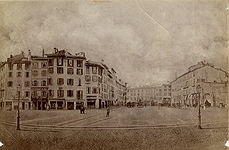
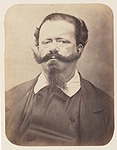
| An Italian photographer, Duroni was born in Canzo, near Como, and studied under the optician François Cauche in Paris. By 1837, he had established an optical shop in Milan. In 1839, he collaborated in Paris with the astronomer Camille Flammarion, and then with Louis Daguerre, inventor of the daguerreotype process. He returned to Milan that same year and introduced the daguerreotype to Italy. In 1840, he set up a photographic studio within his optical shop, where he began working with this new invention, producing views of the buildings and landmarks of Milan. Duroni later transitioned from the daguerreotype to collodion processes, and in 1853 devised a positive-negative method that allowed daguerreotype plates to be reproduced. He became a renowned portraitist, his sitters including figures of the Risorgimento as well as members of the Milanese aristocracy and upper middle class. His portraits were often staged with clarity and minimal embellishment, conveying civic dignity over sentiment and reflecting mid-century bourgeois ideals of photographic sobriety and precision. In addition to his studio in Milan, Duroni opened another in Paris on the rue Vivienne. In 1857, he won a silver medal at the Lombard Industrial Exhibition, followed by another medal at the National Exhibition of Florence in 1861, and a gold medal at the Lombard Industrial Exhibition that same year. He then adopted the title of 'Photographer to His Majesty the King'. In 1867, Duroni sold his Milanese studio. He died in Milan. | ||||||||||
| |
||||||||||
 |
||||||||||
|
|
||||||||||
| |
||||||||||
  |
||||||||||


