
|
|
|
|||||||||
 |
||||||||||
| As-Nas Playing Cards | ||||||||||
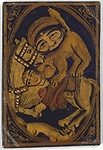
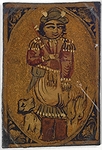
| As-Nas is a traditional Persian card game believed to have originated in Persia in the 16th or 17th century. It is considered one of the earliest known card games and holds significant historical importance, often cited as a precursor to many later card games. The As-Nas deck typically consists of 20 to 25 cards, featuring five distinct designs, each repeated four or five times. These designs usually represent the As (Lion), the highest card, often depicted with lions, dragons, or a hunter on horseback, and possibly a precursor to the Ace; the Shah (King), a seated or mounted king; the Bibi (Queen), a seated queen, sometimes holding a child; the Serbaz (Soldier), a standing soldier; and the Couli or Lakat (Dancers/Musicians), usually portrayed as dancing figures or a pair. While the influence of As-Nas can be seen in the evolution of card games, its connection to modern poker is more indirect, with similarities in hand rankings and betting mechanics shared by many card games that developed later. | ||||||||||
| |
||||||||||




 |
||||||||||
|
|
||||||||||
| |
||||||||||
  |
||||||||||


