|

|
UC Picture Gallery
 |
|
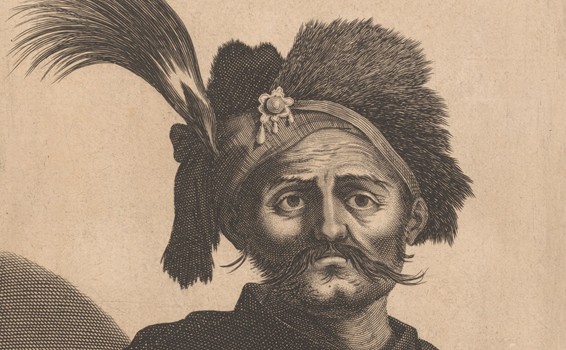
Tamerlano
Tamerlano is an opera seria in three acts by Georg Frideric
Handel, set in the aftermath of the Tartar conquest of Turkey,
and delves into a complex web of love, power, and vengeance.
The defeated Ottoman Sultan, Bajazet, languishes in captivity,
contemplating suicide until his love for his daughter, Asteria,
compels him to endure. Meanwhile, the victorious Tartar
emperor, Tamerlano, becomes captivated by Asteria's beauty
and proposes a deal: her hand in marriage for her father's
freedom. This seemingly straightforward proposition throws
the characters into turmoil. Asteria is already in love
with Andronico, a Byzantine prince who has sided with Tamerlano.
Andronico, bound by both duty and affection, struggles with
his conflicting loyalties to Tamerlano and Asteria. Further
complicating the situation, Tamerlano has also arranged
a marriage with Irene, a princess from a neighbouring kingdom.
As the opera progresses, these characters are forced to
make agonising decisions. Asteria must choose between love
and duty to her father. Andronico grapples with betrayal
and the potential to reclaim his throne. Tamerlano vacillates
between his desire for Asteria and his commitment to Irene.
Ultimately, the opera explores the human cost of conquest
and the lengths to which individuals will go for love, power,
and ultimately, survival. The opera premiered at the King's
Theatre in London on the 31st of October 1724. The libretto,
by Nicola Francesco Haym, was adapted from Agostin Piovene's
libretto Tamerlano of 1711, and also from Bajazet
of 1719, another version of the same libretto revised by
Ippolito Zanelli and Francesco Borosini after Jacques Pradon's
play Tamerlan, ou La mort de Bajazet of 1675. The
music itself exemplifies the Baroque style with its focus
on clear melodies, intricate counterpoint, and dramatic
use of the orchestra. Singers take centre stage, particularly
the castrato roles, alongside soprano and tenor characters,
with arias often utilising the da capo form. Tamerlano
received initial acclaim upon its debut, but its popularity
subsided over the years. This has been attributed to the
complexity of the plot or the changing tastes of audiences,
while others point to the eventual decline of the castrato
singing tradition, which played a central role in the opera.
|
| |
The
Opera |
| Characters |
|
Name |
Description |
Voice
Type |
Premiere
Cast |
|
Tamerlano
|
Emperor
of the Tartars |
alto-castrato |
Andrea
Pacini |
|
Bajazet |
Sultan
of the Turks, prisoner of Tamerlano |
tenor |
Francesco
Borosini |
|
Asteria |
daughter
of Bajazet, lover of Andronico |
soprano |
Francesca
Cuzzoni |
Andronico |
Byzantine
prince |
contralto/mezzo-soprano |
Senesino |
|
Irene |
Princess
of Trebizond, betrothed to Tamerlano |
contralto/mezzo-
soprano |
Anna
Vincenza Dotti |
|
Leone |
servant
to Tamerlano, friend to Andronico |
bass |
Giuseppe
Boschi |
|
Zaida |
friend
to Asteria |
[silent
role] |
| Setting |
Conquered
Turkish city of Prusa [Bursa], capital of Bithynia, 1402 |
| Acts
and Scenes |
Overture |
Act
I |
Role |
Scene
I
|
|
1 |
Sinfonia |
|
[orchestra] |
|
2 |
Recitative |
'Esci, esci, oh Signore!' |
Andronico, Bajazet |
|
3 |
Sinfonia |
|
[orchestra] |
|
4 |
Recitative |
'Prence, lo so, ti devo'
|
Bajazet, Andronico |
|
5 |
Aria |
'Forte e lieto a morte andrei'
|
Bajazet |
Scene
II |
6 |
Recitative |
'Non si perda di vista il disperato' |
Andronico, Tamerlano |
7 |
Aria |
'Vo' dar pace a un'alma altiera' |
Tamerlano |
Scene
III |
|
8 |
Recitative |
'Il Tartaro ama Asteria' |
Andronico |
|
9 |
Aria |
'Bella Asteria, il tuo cor mi difenda' |
Andronico |
Scene
IV |
|
10 |
Recitative |
'Il fortunato Andronico' |
Asteria, Tamerlano |
|
11 |
Aria |
'Dammi pace' |
Tamerlano |
Scene V |
|
12 |
Recitative |
'Serve Asteria di prezzo' |
Asteria |
13 |
Aria |
'Se non mi vuol amar' |
Asteria |
Scene VI |
14 |
Recitative |
'Non ascolto più nulla' |
Bajazet, Andronico, Asteria |
15 |
Aria |
'Ciel e terra armi di sdegno!' |
Bajazet |
Scene VII
|
16 |
Recitative |
'Asteria, non parlate?' |
Andronico, Asteria |
17 |
Aria |
'Deh! lasciatemi il nemico' |
Asteria |
Scene
VIII |
18 |
Recitative |
'Così la sposa il Tamerlano accoglie?' |
Irene, Leone, Andronico |
19 |
Aria |
'Dal crudel che m'ha tradita' |
Irene |
Scene
IX
|
20 |
Accompanied Recitative |
'Chi vide mai più, sventurato amante?' |
Andronico |
21 |
Aria |
'Benchè mi sprezzi l'idol ch'adoro' |
Andronico |
Act
II |
Role |
Scene
I
|
1 |
Recitative |
'Amico, tengo un testimon fedele' |
Tamerlano, Andronico |
2 |
Aria |
'Bella gara, che faranno' |
Tamerlano |
Scene
II
|
3 |
Recitative |
'Qui l'infedel! cogliamo' |
Asteria, Andronico |
4 |
Aria |
'Non è più tempo' |
Asteria |
Scene
III
|
5 |
Accompanied Recitative |
'Ah no! Dove trascorri, idolo mio?' |
Andronico |
6 |
Aria |
'Cerco in vano di placare' |
Andronico |
Scene
IV
|
7 |
Recitative |
'Signor, vergine illustre' |
Leone, Tamerlano, Irene |
Scene
V
|
8 |
Recitative |
'Senti, chiunque tu sia' |
Asteria, Irene |
Scene
VI
|
9 |
Recitative |
'Gran cose espone Asteria.' |
Irene, Leone |
10 |
Aria |
'Par che mi nasce in seno un raggio di speranza' |
Irene |
11 |
Recitative |
'Veggio da questi amori'' |
Leone |
12 |
Aria |
'Amor dà guerra e pace' |
Leone |
Scene
VII
|
13 |
Recitative |
'Dov'è mia figlia, Andronico?' |
Bajazet, Andronico |
14 |
Aria |
'A suoi piedi padre esangue' |
Bajazet |
Scene
VIII
|
15 |
Recitative |
'Se Asteria mi tradisce' |
Andronico |
16 |
Aria |
'Più d'una tigre altero' |
Andronico |
Scene
IX
|
17 |
Accompanied Recitative |
'Al soglio, al soglio, oh bella!' |
Tamerlano, Asteria, Bajazet, Andronico, Irene |
Scene
X
|
18 |
Recitative |
'E per lei vengo ad impegnar quel post!' |
Irene, Asteria, Tamerlano, Bajazet, Andronico |
19 |
Trio |
'Voglio stragi, voglio sangue' |
Tamerlano, Bajazet, Asteria |
20 |
Recitative |
'Padre dimmi, son più l'indegna figlia?' |
Asteria |
21 |
Aria |
'Nò, nò, il tuo sdegno mi placò' |
Bajazet |
22 |
Recitative |
'Andronico, son più l'infida amante?' |
Asteria |
23 |
Aria |
'Nò, che del tuo gran cor' |
Andronico |
24 |
Recitative |
'Amica, son quella superba donna?' |
Asteria |
25 |
Aria |
'Nò, che sei tanto costante nella la fede' |
Irene |
26 |
Recitative |
'Sì, sì, son vendicata' |
Asteria |
27 |
Aria |
'Se potessi un di placare' |
Asteria |
Act
III |
Role |
Scene
I
|
1 |
Recitative |
'Figlia, siam rei' |
Bajazet, Asteria |
2 |
Aria |
'Cor di padre, e cor d'amante' |
Asteria |
Scene
II |
3 |
Recitative |
'Andronico, il mio amore' |
Tamerlano, Andronico, Asteria |
Scene
III |
4 |
Recitative |
'Come? Asteria, tu a piè del Tamerlano?' |
Bajazet, Tamerlano, Andronico |
5 |
Aria |
'A dispetto d'un volto ingrato' |
Tamerlano |
Scene
IV |
6 |
Recitative |
'Figlia, con atto vil tutta perdesti' |
Bajazet, Asteria, Andronico |
Scene
V |
7 |
Recitative |
'Asteria, allor che andaste' |
Andronico, Asteria, Leone |
8 |
Duet |
'Vivo in te, mio caro bene!' |
Andronico, Asteria |
Scene
VI |
9 |
Recitative |
'Reina è vuoto il trono' |
Leone, Irene |
10 |
Aria |
'Crudel più non son io' |
Irene |
11 |
Recitative |
'Se Irene al trono ascende' |
Leone |
12 |
Aria |
'Se ad un costante core' |
Leone |
Scene
VII |
13 |
Recitative |
'Eccoti Bajazete' |
Tamerlano, Bajazet, Andronico |
14 |
Aria |
'Se non mi rendi'
|
Andronico |
Scene
VIII |
15 |
Recitative |
'Eccomi, che si chiede?' |
Asteria, Tamerlano, Andronico, Bajazet, Irene |
16 |
Accompanied Recitative |
'Padre, amante' |
Asteria |
17 |
Arioso |
'Folle sei, se lo consenti' |
Asteria |
18 |
Recitative |
'Beva dunque la rea' |
Asteria, Andronico, Bajazet, Tamerlano |
19 |
Accompanied Recitative |
'E il soffrirete, d'onestade, oh numi?' |
Bajazet |
20 |
Aria |
'Empio, per farti guerra' |
Bajazet |
21 |
Recitative |
'Signor, fra tante cure' |
Irene, Tamerlano |
22 |
Duet |
'Vedrò ch'un di si cangerà' |
Tamerlano, Irene |
Scene
IX |
23 |
Recitative |
'Vieni, Asteria' |
Leone, Andronico, Tamerlano, Asteria |
Scene
X |
24 |
Recitative |
'Oh per me lieto' |
Bajazet, Tamerlano |
25 |
Accompanied Recitative |
'Fremi, minacci! mi rido' |
Bajazet, Asteria |
26 |
Recitative |
'No, vo' seguirti anch'io' |
Asteria, Bajazet |
27 |
Arioso |
'Figlia mia, non pianger, nò!' |
Bajazet |
28 |
Accompanied Recitative |
'Tu, spietato, il vedrai' |
Bajazet |
29 |
Aria and Accompanied Recitative |
'Sù, via, furie, e ministre' |
Bajazet |
30 |
Recitative |
'Barbaro! al fin sei sario ancor?' |
Andronico, Asteria |
31 |
Accompanied Recitative |
'Mirami, io quella son che gia due volte' |
Asteria |
 |
Sources:
1. George Frideric Handel, Tamerlano [CD]. Lehane,
Young, Baker, Burrowes, Kern et al, English Chamber Orchestra,
conducted by Sir Anthony Lewis, recorded 1972, Ponto, 2008.
2. George Frideric Handel and Nicola Francesco Haym. Tamerlano:
opera di G. F. Händel. New York: Edwin F. Kalmus,
1876.
3. Stanley Sadie, ed. The Grove Book of Operas, 2nd
ed. Oxford: Oxford University Press, 2009.
|
|
|
|