|
|
|
|||||||||
 |
||||||||||
| Henri Labrouste (1801–1875) | ||||||||||
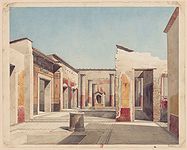
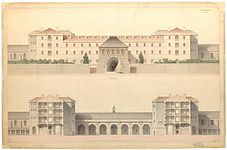
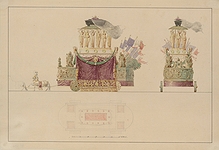
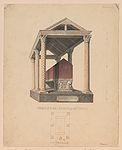
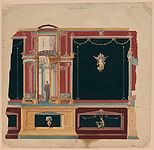
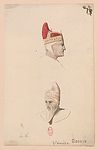
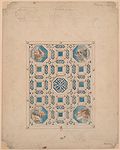
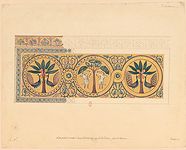
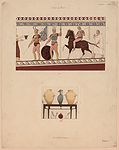
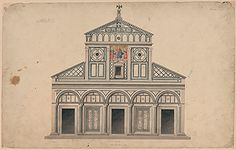
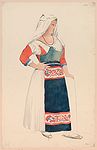
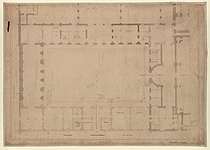
| Born in Paris, Labrouste was a leading figure in nineteenth-century French architecture, especially during the Second Empire, and played a central role in the shift towards modernism, particularly through his pioneering use of iron in structural frameworks. A talented draughtsman and watercolourist, he began drawing at thirteen and, in 1819, entered the École des Beaux-Arts in Paris, where he studied under Antoine Vaudoyer and Hippolyte Lebas. In 1824, he won the Prix de Rome for architecture with his project for the Cour de Cassation. Between 1824 and 1830, he undertook his ‘Grand Tour’ of Italy, residing at the Villa Medici in Rome and travelling to Turin, Modena, Parma, and Bologna, producing numerous drawings documenting buildings, monuments, and local life. His studies went beyond Roman antiquity, reflecting a broad interest in Italy’s architectural and cultural heritage. Returning to France in 1830, he established a prominent studio in Paris. Among his most significant works are the Bibliothèque Sainte-Geneviève, completed from 1843 to 1850, and the reading room of the Bibliothèque Nationale, built from 1860 to 1867. Labrouste’s architectural approach combined rationalist principles with classical forms, and his theories on the restoration of the Paestum temples and the reinterpretation of Greek architecture provoked considerable debate. He died in Fontainebleau. | ||||||||||
| |
||||||||||
|
|
||||||||||
| |
||||||||||
  |
||||||||||


 Art
Art