
|
|
|
|||||||||
 |
||||||||||
| Pedro Américo de Figueiredo e Mello (1843–1905) | ||||||||||
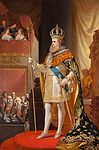
| Américo de Figueiredo, a Brazilian romantic painter, designer, teacher, caricaturist, and writer, was born into a family of musicians. He began drawing at a young age and accompanied the French naturalist Jean Brunet on a scientific expedition to northeast Brazil in 1852. In 1855, he moved to Rio de Janeiro, where he studied at Colégio Pedro II and the Imperial Academy of Fine Arts. Between 1859 and 1864, he studied at the École Nationale Supérieure des Beaux-Arts in Paris under Ingres, Flandrin, and Vernet. He returned to Brazil in 1864 and, as a professor of aesthetics, art history, and archaeology, alternated between Rio de Janeiro and Florence, where he completed many of his works. Considered one of Brazil's most important painters, his interest in Biblical and mythological subjects stemmed from his studies in Europe. He completed numerous works dedicated to these themes with grandeur and flair. However, he is best remembered as a prominent exponent of political and historical painting in Brazil and was one of the country's first nationalist artists. He is most renowned for his Batalha do Avaí, completed in 1877. | ||||||||||
. |
||||||||||
| |
||||||||||


 |
||||||||||
|
|
||||||||||
| |
||||||||||
  |
||||||||||


 Art
Art